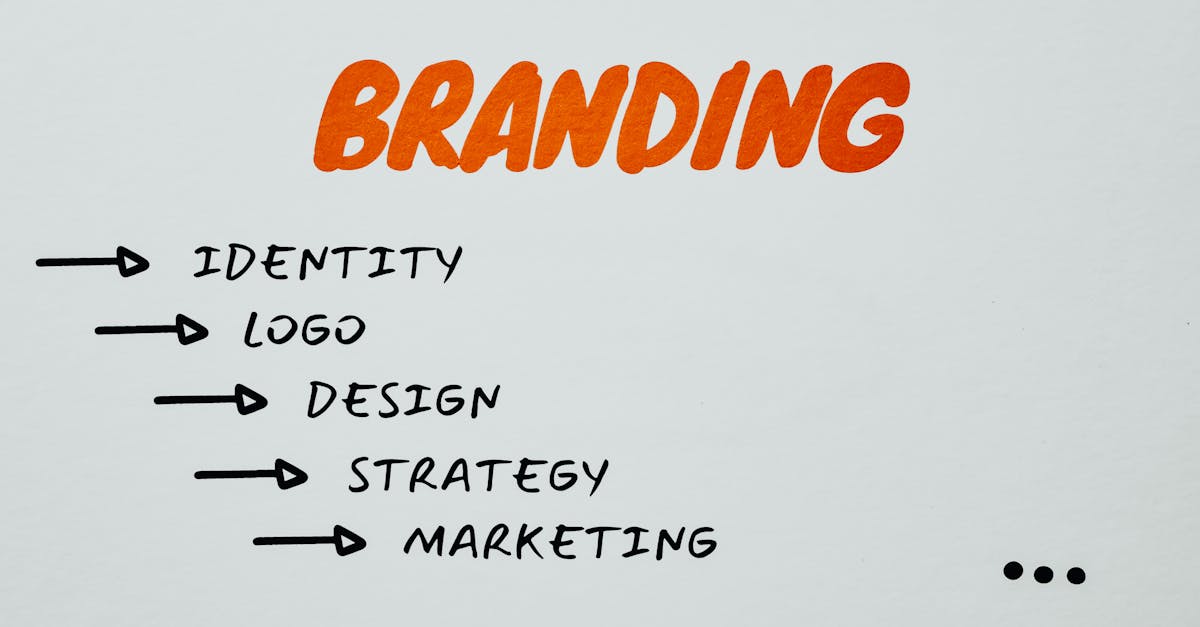
How to Create a Memorable Business Identity
Introduction: Why Your Brand Needs a Soul
Have you ever walked into a room and felt an immediate connection with someone? It is not just about what they are wearing, but the vibe they project. Businesses are exactly the same. A memorable business identity is not merely a logo or a catchy slogan. It is the soul of your company. It is what people talk about when you are not in the room. If your business lacks a distinct identity, it is essentially invisible in a crowded marketplace. Think of it as your company’s fingerprint; without it, you are just another generic entity fading into the background of the digital noise.
Defining Your Core Values: The Foundation of Identity
Before you pick a color palette or write a mission statement, you have to dig deep. What do you actually stand for? If your core values are just words on a wall, you are doing it wrong. Your values should be the compass for every decision you make. Are you the disruptor? Are you the comforting, reliable expert? Are you the eco friendly innovator? When you define these pillars, you create a baseline for authenticity that customers can actually feel.
Translating Values into Real World Behavior
It is easy to say you value transparency, but how does that look when a project goes wrong? Does your identity show up in your support emails? Does it show up in how you treat your staff? A solid identity is built when your internal culture mirrors your external messaging.
Understanding Your Audience: Beyond Demographics
Stop treating your customers like numbers on a spreadsheet. Knowing that your average customer is a thirty year old woman living in a city tells you almost nothing about why they should care about your brand. You need to dive into their psychographics. What keeps them up at night? What are their hidden desires? When you truly understand the people you serve, you can tailor your identity to resonate with their deepest needs.
Crafting a Unique Value Proposition
Why should someone choose you over the guy next door? If your answer is “better quality,” you are in trouble because everyone says that. Your value proposition needs to be sharp enough to cut through the clutter. Maybe you solve a specific pain point that no one else acknowledges. Maybe you bring a sense of humor to a boring industry. Find that one thing you do differently and own it.
Visual Identity: More Than Just a Pretty Logo
Visuals are the clothes your brand wears. While clothes do not make the man, they definitely influence the first impression. Your logo is the anchor of your visual identity, but it is supported by iconography, imagery style, and layout. If your website looks like it was built in 1998 but your product is futuristic, you have a massive identity crisis. Your visual elements must be a coherent reflection of your personality.
Typography Matters: The Personality of Your Words
Did you know fonts have voices? A serif font whispers tradition, stability, and intelligence. A bold sans serif screams modernity, speed, and confidence. The typography you choose acts as the “tone of voice” for your written content. If you are a playful brand, avoid stuffy, formal fonts. Matching your type to your identity is a subtle way to tell customers exactly who you are before they read a single word.
Color Psychology: Triggering Emotional Responses
Colors are not just aesthetic choices. They are biological triggers. Red commands attention and spikes the heart rate. Blue conveys trust and security. Green connects to growth and nature. When you choose your brand colors, you are essentially setting the emotional mood for every interaction a customer has with your business. Do you want them to feel excited? Do you want them to feel safe? Your palette needs to align with the feeling you want to evoke.
Developing a Consistent Brand Voice
If your brand were a person at a party, how would they speak? Would they be witty, sarcastic, and fast talking? Or would they be thoughtful, slow, and sophisticated? You must establish a set of linguistic guidelines. This keeps your social media, your emails, and your website feeling like they were written by the same human. Consistency here is the difference between a brand that feels like a friend and a brand that feels like a robot.
The Power of Storytelling in Business
Facts tell, but stories sell. Everyone has a story. How did you start? What hurdles did you face? What keeps you going? People do not buy what you do; they buy why you do it. By sharing the narrative of your journey, you invite your audience to become characters in your story rather than just passive observers. This creates an emotional bond that competitors simply cannot steal.
Customer Experience as a Branding Tool
Your brand is not what you say it is. It is what your customers say it is. Every interaction, from the unboxing process to the resolution of a refund request, is an opportunity to reinforce your identity. If your identity is “hassle free luxury,” but your return process is a bureaucratic nightmare, your brand identity will shatter instantly. Every touchpoint must deliver on the promise your branding makes.
The Golden Rule: Consistency Across All Channels
I cannot stress this enough: stop changing your vibe based on the platform. If you are professional on LinkedIn but act like a chaotic meme page on Instagram without a strategic reason, you will confuse your audience. A confused customer is a customer who stays away. Build a brand style guide and follow it religiously. It keeps your identity solid, recognizable, and trustworthy.
Building an Authentic Digital Presence
In the digital age, your website and social media are your storefronts. They need to be authentic. Avoid stock photos that look fake. Avoid overly polished corporate speak that sounds like it was generated by an AI. Show the behind the scenes. Introduce your team. Use real images. Being raw and authentic is the quickest way to build long term loyalty in a world of filtered perfection.
Knowing When to Evolve Without Losing Yourself
Your business will grow, and your identity might need to shift slightly to keep up. That is okay. Evolution is part of survival. However, there is a difference between evolving and having an identity crisis. Keep the core values intact while updating the aesthetics or the messaging. Think of it like a person getting a new haircut; they are still the same person, just a fresher version of themselves.
Common Mistakes That Kill Brand Identity
The most common mistake? Trying to appeal to everyone. If you try to be everything to everyone, you end up being nothing to anyone. Another mistake is copying your competitors. If you look like them, talk like them, and act like them, the customer has no reason to pick you. Finally, neglecting your internal team is a mistake. If your employees do not embody the brand identity, your customers never will.
Future Proofing Your Identity in a Changing Market
How do you stay relevant in ten years? By focusing on the timeless elements of your brand rather than the trends. Trends come and go, but human emotions stay the same. Focus on the core mission and the value you provide. If you keep the customer at the center of your universe, your identity will remain relevant regardless of how much technology changes.
Conclusion: The Lasting Impression
Creating a memorable business identity is not a race; it is a marathon. It requires patience, deep self reflection, and an unshakeable commitment to being authentic. When you align your visuals, your voice, and your values, you create more than just a company; you create a brand that people actually care about. Stop trying to fit in and start standing out by being unapologetically yourself. That is how you turn customers into fans and fans into advocates for life.
Frequently Asked Questions
1. How long does it take to build a strong brand identity?
Building a meaningful identity is an ongoing process. While you can establish the visual and verbal guidelines in a few months, true brand equity is built over years of consistent delivery and customer interaction.
2. Do I need a huge budget to create a memorable brand?
Absolutely not. Some of the most memorable brands were built on small budgets but had massive amounts of personality and clarity. Creativity and consistency are far more valuable than a big advertising spend.
3. What should I do if my brand feels stale?
First, audit your touchpoints. Is the message still aligned with your current goals? Sometimes a brand feels stale because it has lost its connection to its purpose. Revisit your core values and refresh your visuals to better reflect who you are today.
4. How do I maintain consistency across a large team?
Create a comprehensive brand style guide. This document should cover everything from logo usage and font choices to sample phrases for customer support. Train your team not just on the rules, but on the “why” behind the brand identity.
5. Is it okay to pivot my brand identity later?
Yes, but do it intentionally. Ensure that your new identity still honors the promises you made to your existing loyal customers. A major pivot should be treated as a rebrand, which requires clear communication to your audience about why the change is happening.